How Mission, Vision, and Values Shape Strategic Direction
Introduction
An organisation’s mission, vision and values form the foundation of its identity and purpose. Together, they create a framework that guides strategic decision-making, shapes organisational culture and influences how employees behave. They also help stakeholders understand what the organisation stands for and what it aims to achieve. Although these concepts are often presented together, they each play a distinct role in directing the organisation’s long-term strategy.
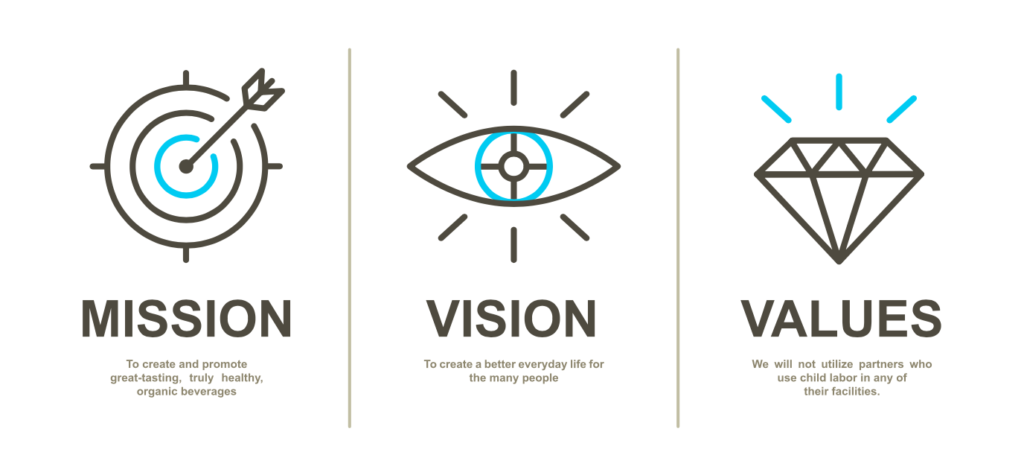
Mission:
Understanding the Organisation’s Core Purpose
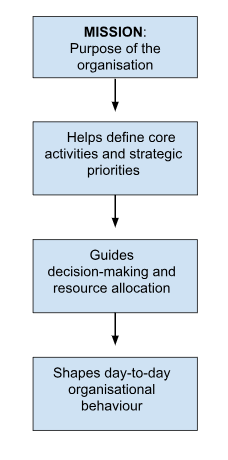
A mission statement expresses the fundamental purpose of the organisation. It clarifies why the organisation exists, who it serves and what unique value it aims to provide. The mission operates in the present, it defines what the organisation does today and highlights the primary reason for its activities.
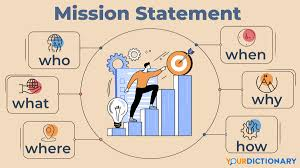
A strong mission helps the organisation make consistent decisions by acting as a reference point. When managers are faced with choices, the mission helps them determine whether a particular action is aligned with what the organisation is meant to achieve.
For example, a healthcare charity with a mission “to improve community health through accessible education and support services” will prioritise outreach initiatives, training programmes and public health campaigns. Activities unrelated to the mission, such as offering premium private services, would not fit unless they directly support or fund its core purpose.
A well-crafted mission statement influences:
• strategic priorities (what is most important now)
• resource allocation (what receives funding)
• product and service development
• partnerships and collaborations
• performance measures and success indicators
Vision
What the Organisation Aspires to Become
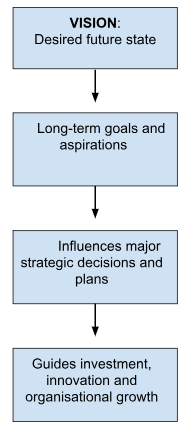
A vision statement describes the organisation’s long-term ambition. It answers the question: “What do we want to become in the future?” Whereas the mission focuses on the present, the vision focuses on the desired future state. This future orientation gives the organisation direction and purpose over the long term.
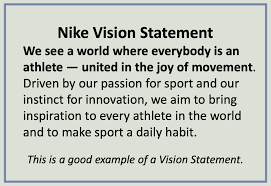
A compelling vision motivates employees, inspires innovation and encourages a forward-looking mindset. It also helps the organisation position itself in the marketplace and anticipate future trends.
For example, a technology company with the vision “to be Europe’s leading provider of sustainable smart-home solutions by 2035” has a clear picture of where it wants to be. This influences long-term strategic choices around research and development, environmental responsibility, investment, market expansion and recruitment.
A strong vision helps:
• guide long-term planning and strategic decision-making
• align teams toward shared goals
• encourage innovation and forward thinking
• set measurable long-term objectives
• shape the organisation’s identity and ambitions
Values
Principles That Shape Behaviour and Culture
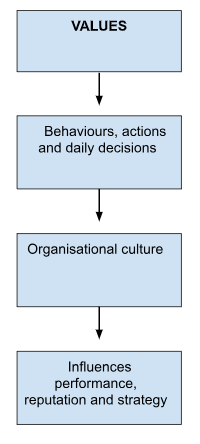
Organisational values describe the principles and beliefs that guide how individuals within the organisation behave and how they treat others. Values influence everyday actions, communication and decision-making. They also play a key role in shaping organisational culture, the shared norms, attitudes and expectations of people within the organisation.

Common organisational values include integrity, respect, fairness, collaboration, innovation, sustainability and customer focus. When values are embedded into the organisation, they influence recruitment, leadership styles, staff performance evaluations, internal communication and customer interactions.
For example, an organisation that values “innovation” will encourage creativity, experimentation and continuous improvement. Staff may be given time to explore new ideas, managers may support risk-taking and the organisation may invest in research and development. By contrast, organisations that value “tradition” may focus on stability, established practices and consistency.
Values influence:
• expected behaviours and conduct
• decision-making at all levels
• organisational culture and team dynamics
• customer service standards
• leadership approaches and expectations
When values are unclear or inconsistently applied, the organisation may experience low morale, poor communication or ethical issues.
How Mission, Vision and Values Influence Strategic Direction
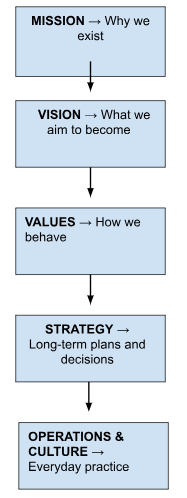
Strategic direction refers to the long-term decisions an organisation makes about where it is heading and how it will get there. Mission, vision and values work together to influence this direction by providing clarity, unity and purpose.
1. They establish strategic priorities.
The mission ensures strategic choices support the organisation’s core purpose. For instance, a charity focused on reducing homelessness will invest in support services rather than ventures unrelated to its mission.
2. They align the organisation.
Strategic alignment occurs when departments, teams, processes and performance measures all point in the same direction. Mission, vision and values act as the anchor for this alignment.
3. They support consistent decision-making.
In times of uncertainty, leaders refer to mission, vision and values to choose the most appropriate course of action. This is especially important when options conflict.
4. They shape culture and behaviours.
Values influence how employees interpret strategic goals. For example, if transparency is a core value, staff will expect open communication during change.
5. They influence stakeholder expectations.
Customers, employees, investors and partners look for consistency between what an organisation says and what it does. Mission and values help build trust and credibility.
6. They define organisational identity.
An organisation with a clear mission, vision and values is more likely to be distinctive, attractive to talent and respected by the community.
Example: How Mission, Vision and Values Shape Strategy
Consider an international college with the following statements:
Mission: “To deliver accessible, high-quality learning that empowers diverse global learners.”
Vision: “To become a world leader in flexible, technology-enhanced education.”
Values: “Inclusivity, innovation, integrity, student success.”
These statements influence strategy in several ways:
• The mission drives the college to focus on accessibility, so it invests in online learning, multilingual support and affordable pricing.
• The vision encourages long-term investment in digital platforms, global partnerships and new markets.
• The values guide hiring decisions, promote inclusive teaching practices and encourage staff to innovate.
• The strategic plan prioritises flexible timetables, international outreach, continuous quality enhancement and technology-driven learning solutions.
• Performance measures reflect student success indicators such as completion rates, learner satisfaction and skills progression.
Over time, these three elements ensure that all departments, academic, marketing, operations, and finance, move in the same direction.
Interested in our Business Courses?
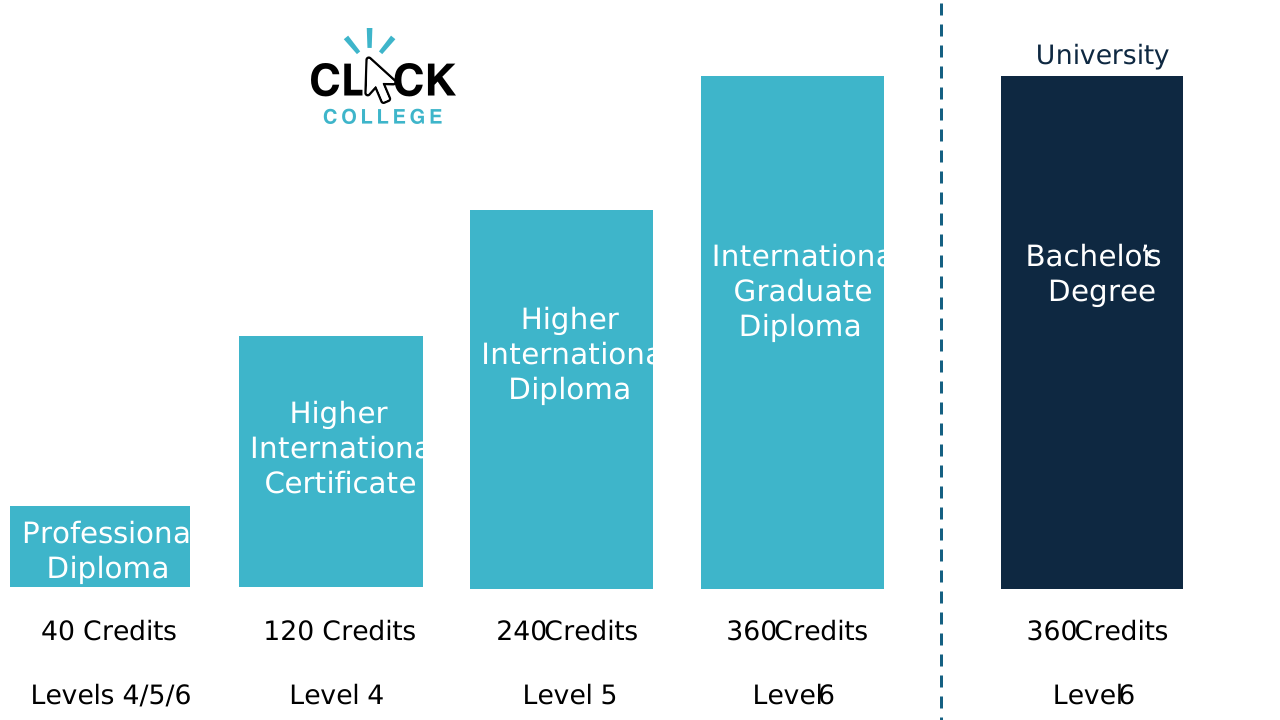
Click College offers a wide range of fully online accredited business management courses and qualifications to suit different academic backgrounds and career goals. Our programmes range from short 40 credit Professional Diplomasthrough to the 360 credit International Graduate Diploma, which is academically comparable to a bachelor’s degree. All courses are open access and available to learners worldwide.
With courses available in business management, marketing, finance, HR, hospitality & tourism and project management, Click College provides flexible learning pathways to support professional development, career progression or further study.
All Courses
Explore our courses and find a qualification that fits your goals and your schedule.
First Year of Undergraduate (Level 4 – 120 Credits)
The Higher International Certificate courses are accredited and delivered at Level 4 of the UK FHEQ framework, making them academically comparable to the first year of undergraduate study.
Years One and Two of Undergraduate (Level 5 – 240 Credits)
The Higher International Diploma courses are accredited and available with 240 Credits at Level 5 of the UK FHEQ framework, making it academically comparable to a Foundation Degree (UK) or an Associate Degree (US).
Degree-Comparable International Graduate Diploma (Level 6 – 360 Credits)
The International Graduate Diploma is accredited and delivered at Level 6 of the UK FHEQ framework. With 360 credits, it is academically comparable to a UK bachelor’s degree in terms of level and credit value.







Recent Posts
Professional Diploma or Higher Qualification Pathway: Which Should You Choose?
Professional Diploma or Higher Qualification Pathway: Which Should You Choose? Choosing the right online qualification is not always simply a question of choosing the longest course or the highest level. For many learners, the better question is: what kind of study route fits my goals right now? Some learners want a focused qualification in one […]
Professional Diploma in Leadership and Management: Course Guide
Professional Diploma in Leadership and Management: Course Guide A Professional Diploma in Leadership and Management is designed for learners who want to develop advanced leadership, strategic thinking and organisational management skills without committing immediately to a full degree programme. Leadership and management are essential in almost every sector. Whether you work in business, education, hospitality, […]
Professional Diploma in Business Management: Who Is It For?
Professional Diploma in Business Management: Who Is It For? A Professional Diploma in Business Management is designed for learners who want to build practical business knowledge without committing immediately to a full degree or long higher education programme. It can be a useful option for people who want to understand how organisations work, how teams […]