The Strengths That Drive Organisations, and the Limits That Hold Them Back
Introduction
When you are asked to evaluate organisational structures, you are being asked to go beyond simply describing or explaining them. Description tells the reader what a structure is. Analysis explores how or why it works. Evaluation requires you to make a judgement based on evidence. This means you must consider both strengths and limitations, weigh their relative importance and reach a reasoned conclusion.
Evaluation involves thinking about consequences: how the strengths of a structure support the organisation, and how the limitations may hinder it. It also requires you to consider different contexts, as a structure that is effective in one setting may be unsuitable in another.
Evaluation is therefore a process of balancing competing ideas. You must look at what a structure does well, what it does less well and whether its strengths outweigh its limitations in particular circumstances. You are not simply listing advantages and disadvantages. You are forming a judgement about how well the structure works in practice for specific organisational needs. This means thinking carefully, comparing evidence and drawing thoughtful conclusions.
How to judge organisational structures
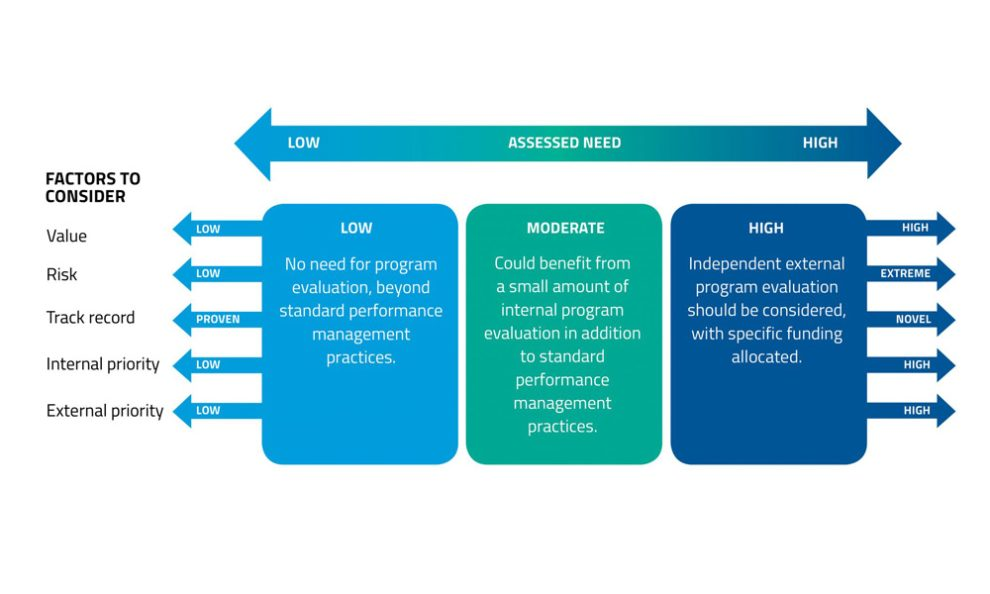
In order to evaluate two organisational structures effectively, you need to understand the criteria by which they can be judged. These criteria should relate to the real functioning of an organisation.
Collaboration is one of these criteria, because an organisation succeeds when its departments and teams can work together smoothly.
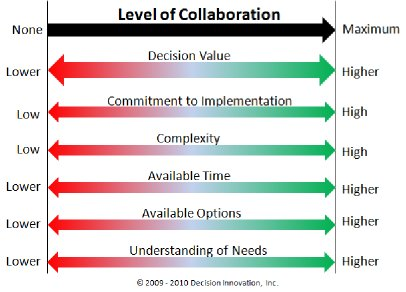
Efficiency is another, because organisations must use their resources wisely and avoid unnecessary delays.
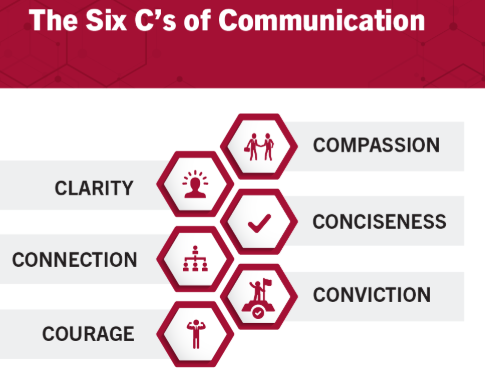
Communication is closely linked to both collaboration and efficiency, as clear communication helps teams coordinate their activities.
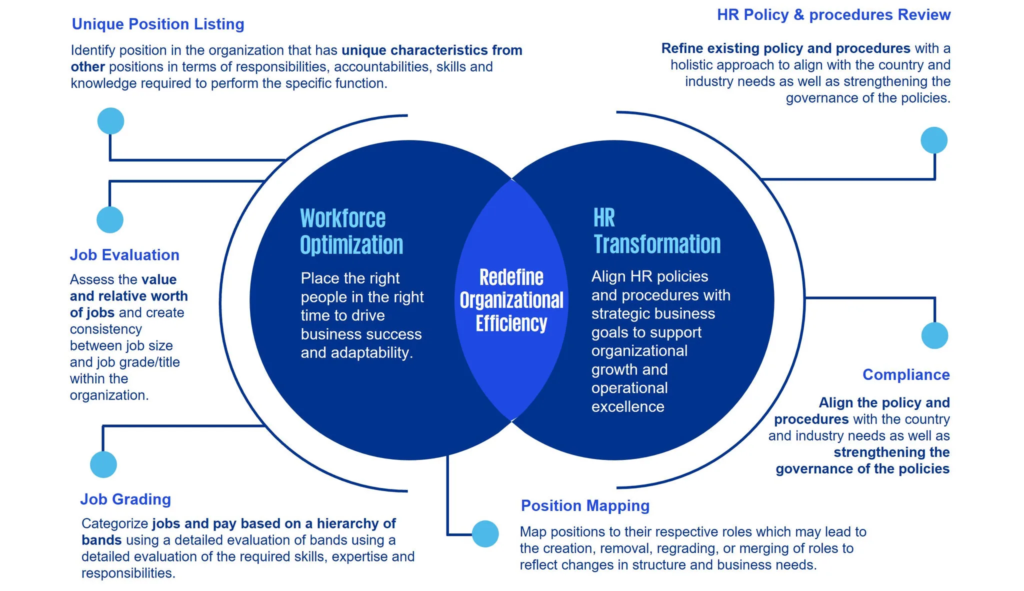
Other important criteria include flexibility, decision-making processes, clarity of authority and the organisation’s ability to respond to change.
You should also consider the type of organisation involved. A small organisation with stable operations may need a different structure from a large international company with multiple product lines. Organisations that work on varied or complex projects might benefit from structures that encourage collaboration. Organisations that rely on standardisation and routine may favour structures that emphasise clarity and control. When you evaluate structures, you should keep these wider considerations in mind, as they help you understand when and why certain structures perform well or poorly.
Evaluating the functional structure
A functional structure arranges people into departments based on their expertise, such as marketing, human resources, operations or finance.
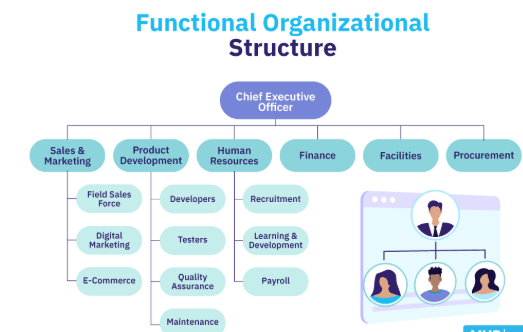
This structure has several strengths. It allows employees to develop deep specialist knowledge, supports consistent training and leads to standardised processes. Departments have clear responsibilities, and managers can easily supervise and monitor performance. This clarity can support efficient working, especially when tasks are predictable and require consistent quality. For organisations that focus on routine production or stable operations, a functional structure can provide stability and reliability.
However, evaluating the structure requires more than recognising these strengths. You must also consider its limitations. Because staff work within their own departments, they may not communicate frequently with colleagues in other areas. This separation can create barriers to collaboration. When tasks require input from several departments, the process may become slower and more complicated. Departments may focus on their own priorities rather than the overall goals of the organisation. As a result, innovation can be limited, and coordination can become difficult. In a rapidly changing environment, the functional structure may be too slow or inflexible to respond to new demands. Understanding these trade-offs is central to evaluating how effective the structure is.
Evaluating the matrix structure
A matrix structure combines elements of functional and project-based arrangements. Employees belong to both a functional department and a project team. This means they can use their specialist skills while working alongside colleagues from other areas.
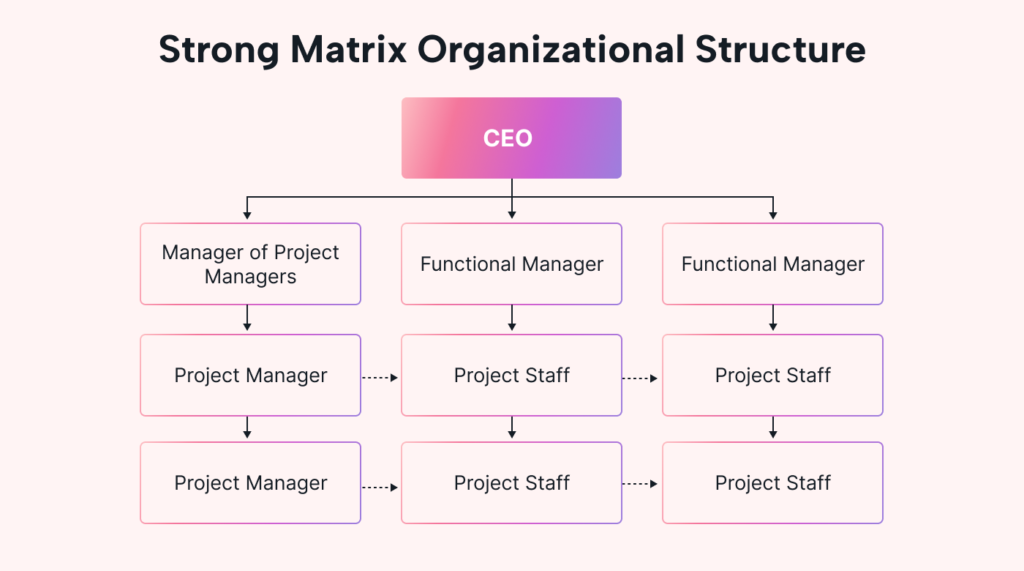
A major strength of the matrix structure is its ability to support collaboration, as staff from different backgrounds and disciplines work closely together. This can lead to greater creativity, faster problem-solving and more responsive project delivery. Resources can be shared more flexibly, and teams can adapt more easily to changing circumstances.
However, evaluation requires you to look at the limitations that accompany these strengths. Because employees report to more than one manager, they may receive conflicting instructions or have difficulty deciding which tasks to prioritise. Coordination becomes more complex, and communication must be frequent and clear to prevent confusion. Managers must work closely with one another to avoid duplication or contradiction. Without strong leadership and robust communication systems, the matrix structure can become inefficient and stressful for staff. You must consider how these factors affect the organisation’s overall performance.
Why context matters when evaluating structures
When you evaluate organisational structures, you must consider the context in which they operate. A structure may be highly effective in one setting and less effective in another. A functional structure may suit an organisation that performs routine tasks, relies on stable processes and prioritises efficiency within departments. It may not suit organisations that need rapid innovation or frequent collaboration across functions. A matrix structure may be ideal for organisations that handle complex projects or operate in dynamic environments, but it may be too complicated for smaller organisations with limited management capacity.
Part of your evaluation involves judging how well each structure fits the organisation’s strategy, size, culture and environment. You must consider the demands placed on the organisation, how much flexibility it requires and how important collaboration is to its success. This contextual understanding helps you move from simply listing strengths and limitations to making a genuine evaluative judgement.
Forming a justified conclusion
Evaluation must lead to a conclusion that is supported by evidence. You should explain which structure is more effective in particular circumstances and why. This conclusion should not reflect personal preference alone; it should be based on the strengths and limitations you have explored and how they relate to the organisation’s needs. You should show the reader that you have considered both sides of the argument and that your conclusion follows logically from your analysis. In doing so, you demonstrate a deeper understanding of organisational structures and the ability to think critically about their impact on collaboration and efficiency.
Case Study

AlphaSoft is a mid-sized software development firm. When it began, teams were organised functionally: developers in one department, testers in another, support in a third. For small projects this worked well: each department had clear responsibilities, and processes were predictable. However, as AlphaSoft began handling multiple, overlapping software projects requiring regular input from developers, testers, customer service and support, coordination became slow. The development department would build features without early testing involvement; testers got information late; customer support found out about delivery delays after the fact. Projects ran over time and budget.
AlphaSoft switched to a matrix structure: for each project, a cross-functional project team was formed, drawing staff from development, testing and support. Project teams reported to a project manager for deliverables, while staff maintained their functional reporting lines for career development. Once the change was implemented, communication improved: issues were surfaced early by testers, developers received timely feedback, and support staff could align with release schedules. Projects completed faster, defects dropped and customer satisfaction increased. However, staff reported some confusion over who to prioritise, project deadlines or departmental tasks, and some felt overloaded by having to follow instructions from two managers. Management added regular team-coordination meetings and a clear decision-making protocol to reduce ambiguity.
Meanwhile, Build-Manufacture Ltd, a traditional manufacturing firm producing standardised equipment, continues to use a functional structure. Specialised departments for procurement, production, quality assurance, finance and shipping allow the firm to maintain consistent quality and efficient workflows. For repetitive and stable demand, this structure supports cost control and predictability. The firm has clear procedures and minimal need for cross-functional interactions, so the structure aligns with its strategic environment.
These contrasting examples show that while matrix structures can enhance responsiveness, innovation and collaboration in dynamic or project-based environments, functional structures may remain more effective in stable, routine settings where predictability and efficiency are priorities.
Interested in our Business Courses?
Click College offers a wide range of fully online accredited business management courses and qualifications to suit different academic backgrounds and career goals. Our programmes range from short 40 credit Professional Diplomasthrough to the 360 credit International Graduate Diploma, which is academically comparable to a bachelor’s degree. All courses are open access and available to learners worldwide.
With courses available in business management, marketing, finance, HR, hospitality & tourism and project management, Click College provides flexible learning pathways to support professional development, career progression or further study.
All Courses
Explore our courses and find a qualification that fits your goals and your schedule.
First Year of Undergraduate (Level 4 – 120 Credits)
The Higher International Certificate courses are accredited and delivered at Level 4 of the UK FHEQ framework, making them academically comparable to the first year of undergraduate study.
Years One and Two of Undergraduate (Level 5 – 240 Credits)
The Higher International Diploma courses are accredited and available with 240 Credits at Level 5 of the UK FHEQ framework, making it academically comparable to a Foundation Degree (UK) or an Associate Degree (US).
Degree-Comparable International Graduate Diploma (Level 6 – 360 Credits)
The International Graduate Diploma is accredited and delivered at Level 6 of the UK FHEQ framework. With 360 credits, it is academically comparable to a UK bachelor’s degree in terms of level and credits.Case







Recent Posts
Professional Diploma or Higher Qualification Pathway: Which Should You Choose?
Professional Diploma or Higher Qualification Pathway: Which Should You Choose? Choosing the right online qualification is not always simply a question of choosing the longest course or the highest level. For many learners, the better question is: what kind of study route fits my goals right now? Some learners want a focused qualification in one […]
Professional Diploma in Leadership and Management: Course Guide
Professional Diploma in Leadership and Management: Course Guide A Professional Diploma in Leadership and Management is designed for learners who want to develop advanced leadership, strategic thinking and organisational management skills without committing immediately to a full degree programme. Leadership and management are essential in almost every sector. Whether you work in business, education, hospitality, […]
Professional Diploma in Business Management: Who Is It For?
Professional Diploma in Business Management: Who Is It For? A Professional Diploma in Business Management is designed for learners who want to build practical business knowledge without committing immediately to a full degree or long higher education programme. It can be a useful option for people who want to understand how organisations work, how teams […]