What Makes Organisational Communication Effective? Key Features Explained
Introduction
Communication within organisations forms the backbone of everyday operations, decision-making, collaboration and team cohesion. Whether an organisation is small or multinational, communication shapes how smoothly tasks are completed, how people relate to one another, and how effectively the organisation responds to challenges. To truly understand the principles of effective organisational communication, it is helpful to explore not only the obvious features such as clarity, listening and feedback, but also the deeper theoretical, psychological and cultural factors that influence communication behaviour.

The Nature of Organisational Communication
Organisational communication is much more than exchanging messages. It exists within a complex system shaped by organisational culture, hierarchy, technology, personality differences and external pressures. Communication in organisations has two broad functions: it enables work to be done by coordinating tasks, and it supports relationships by shaping how people feel about their colleagues, their leaders and the wider organisation.
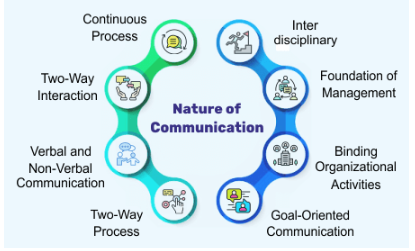
Communication occurs formally through planned, official channels such as team meetings, organisational policies, briefings and written updates. It also occurs informally through conversations, instant messages, social interactions and unplanned exchanges that shape workplace dynamics. Both forms are necessary: formal communication ensures structure and accountability, while informal communication builds trust and social cohesion.
Organisational communication is also influenced by power and authority. Messages sent from senior leaders tend to carry more weight, and staff may interpret them differently depending on levels of trust, organisational climate and their own past experiences. Understanding these complexities helps explain why similar messages may be interpreted very differently by different individuals.
Clarity and Message Purpose
Clarity is widely regarded as the most essential feature of effective communication. A clear message allows individuals to understand instructions, expectations or information without confusion. Clarity depends on selecting suitable language, structuring information logically and avoiding unnecessary jargon. While some technical language is appropriate in specialist settings, it must be used carefully to prevent misunderstanding.
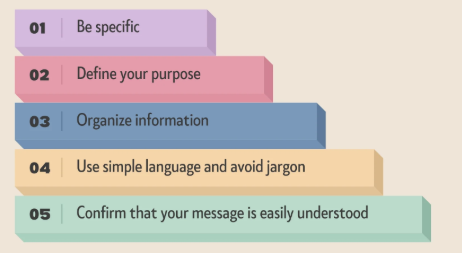
Purpose complements clarity by ensuring that the message achieves what it intends. A message without a well-defined purpose often becomes muddled and may cause anxiety or misinterpretation. For example, a manager intending to reassure staff about job security during organisational change must ensure that the message is framed positively and does not unintentionally raise concerns.
Purposeful communication also supports efficiency. When employees clearly understand not only what they must do but also why, they are more motivated and more likely to act with accuracy and confidence. The purpose behind a message helps employees prioritise tasks and understand the broader context in which decisions are being made.
Communication Channels and Directional Flow
Communication flows in four main directions:
- Downward communication, from management to employees
- Upward communication, from employees to management
- Lateral communication, between colleagues at the same level
- Diagonal communication, between different departments or levels
Each direction shapes how communication is interpreted. Downward communication is often perceived as authoritative, setting expectations and providing structure. Upward communication requires psychological safety; employees need to feel secure in expressing concerns or ideas. Lateral communication is central to teamwork, while diagonal communication helps break silos between departments.
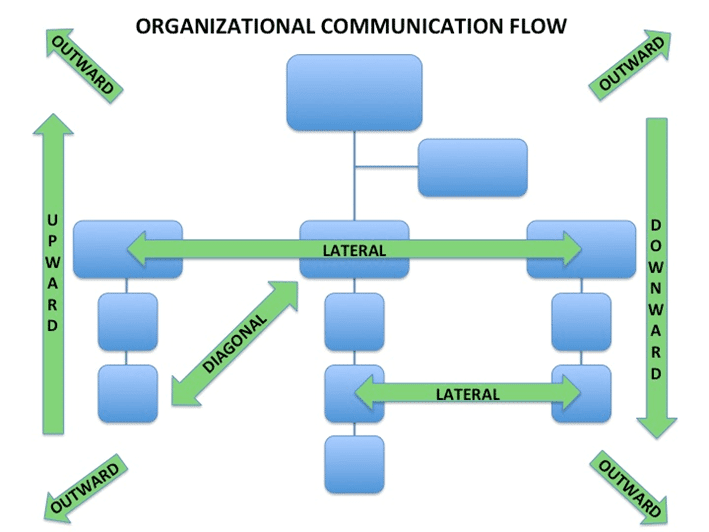
The flow of communication should be consistent, reliable and appropriate for the organisational structure. When flow is disrupted, for example, when employees feel unable to raise issues upwards, communication systems become less effective, and organisational performance may decline.
Non-Verbal Communication: Signals Beyond Words
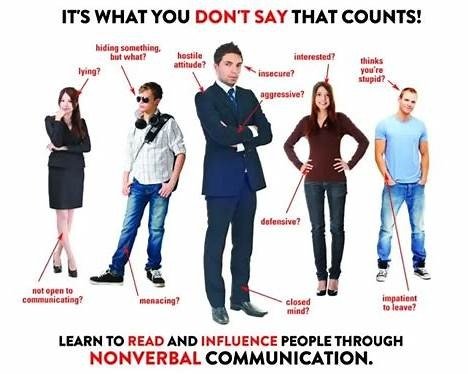
Non-verbal communication includes facial expressions, tone of voice, posture, gestures and eye contact. While people often assume that communication is primarily verbal, non-verbal cues can significantly alter the meaning of a message. Two individuals may interpret the same sentence differently depending on the speaker’s tone, pace or expression.
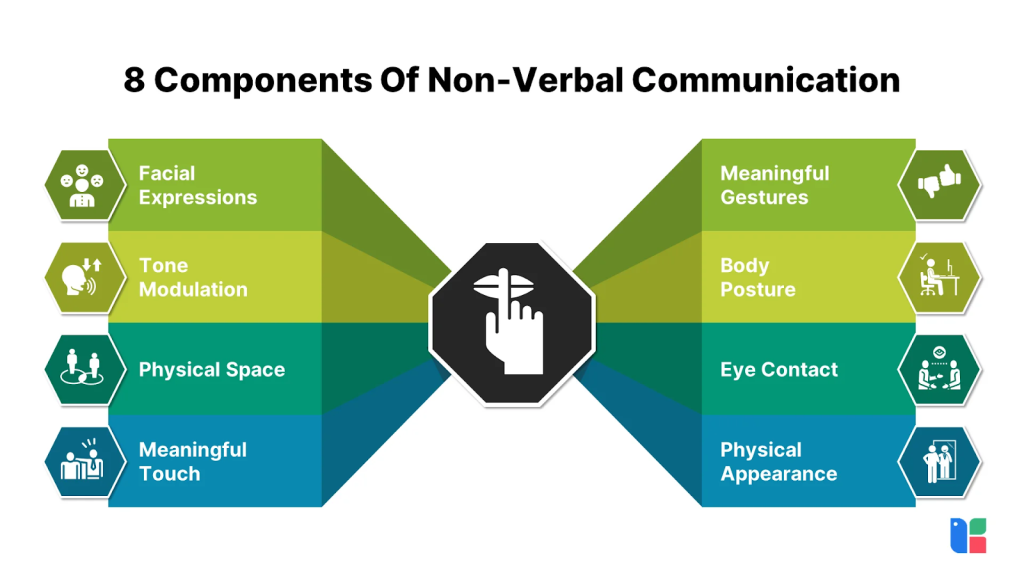
For example, saying “I’ll take a look at that later” could imply willingness, reluctance or irritation. Employees therefore rely heavily on non-verbal cues to understand the emotional tone behind a message.
Cultural differences add further complexity. In some cultures, direct eye contact shows confidence; in others, it may be considered confrontational. Similarly, silence may be used strategically to show respect or may be interpreted as disagreement. Understanding these variations is crucial in diverse organisations.
Leaders in particular must be aware of how their non-verbal behaviour influences team morale. A leader demonstrating visible frustration may unintentionally communicate dissatisfaction with the team, even if their verbal message is neutral. Conversely, positive non-verbal behaviour such as affirming nods and open posture reinforces trust and psychological safety.
Active Listening as a Dynamic Skill
Active listening is the process of fully concentrating on, understanding and responding meaningfully to what another person is communicating. In organisations, listening is just as important as speaking because it helps build rapport, prevents errors and allows individuals to feel valued.
Active listening involves several behaviours, including maintaining attention, summarising what the speaker has said, asking clarifying questions and being aware of one’s own biases. It also requires emotional regulation, as individuals must avoid reacting defensively when receiving critical feedback.
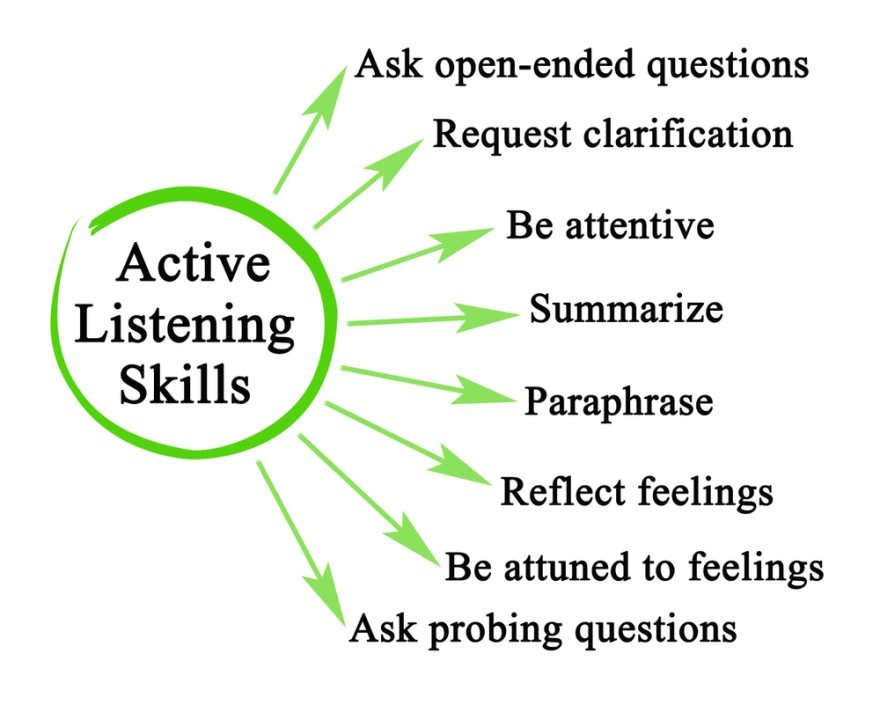
In workplaces, active listening supports problem-solving by revealing deeper issues that may not surface in casual conversation. For example, an employee who complains about workload may actually be highlighting unclear expectations or ineffective systems. Only through careful listening can a manager identify these underlying concerns and respond appropriately.
Feedback Loops and the Completion of Meaning
Feedback loops ensure that communication is not a one-way process. They allow the sender to confirm whether the message has been understood correctly. Feedback may be direct, such as a colleague repeating instructions, or indirect, such as changes in behaviour following a request
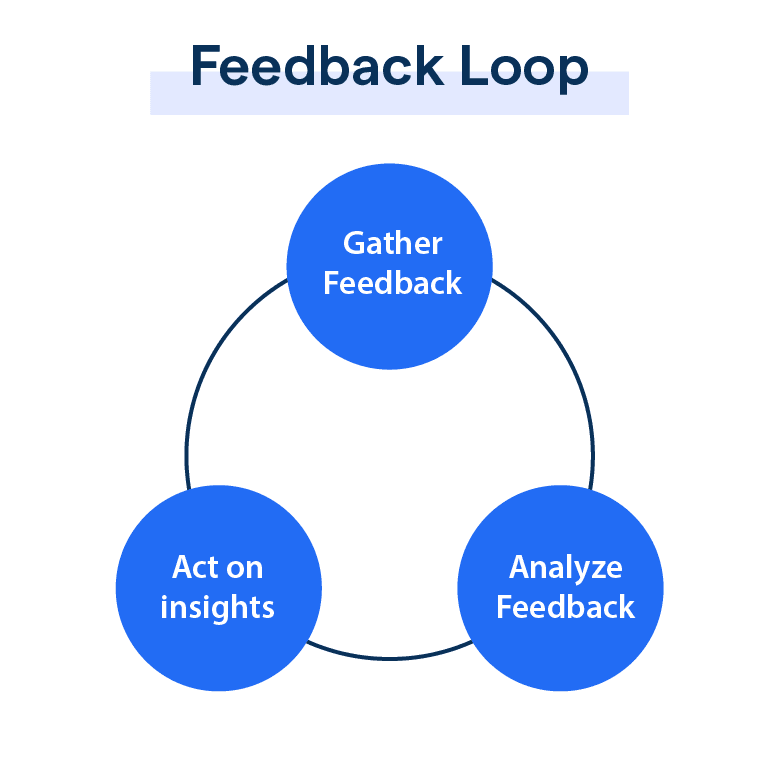
Feedback loops are critical for learning and development. Employees who receive regular constructive feedback can refine their practice and improve their performance. Organisations with a strong feedback culture tend to experience higher engagement, greater innovation and better collaboration.
Feedback also flows upwards. Employees may provide insights that enable managers to make informed decisions. When employees feel comfortable giving feedback, communication becomes more collaborative rather than hierarchical.
Psychological Safety and Communication Climate
Psychological safety refers to an environment where individuals feel safe to express ideas, concerns and mistakes without fear of ridicule or punishment. When psychological safety is present, communication becomes more honest and open. People feel able to disagree constructively and raise concerns early.
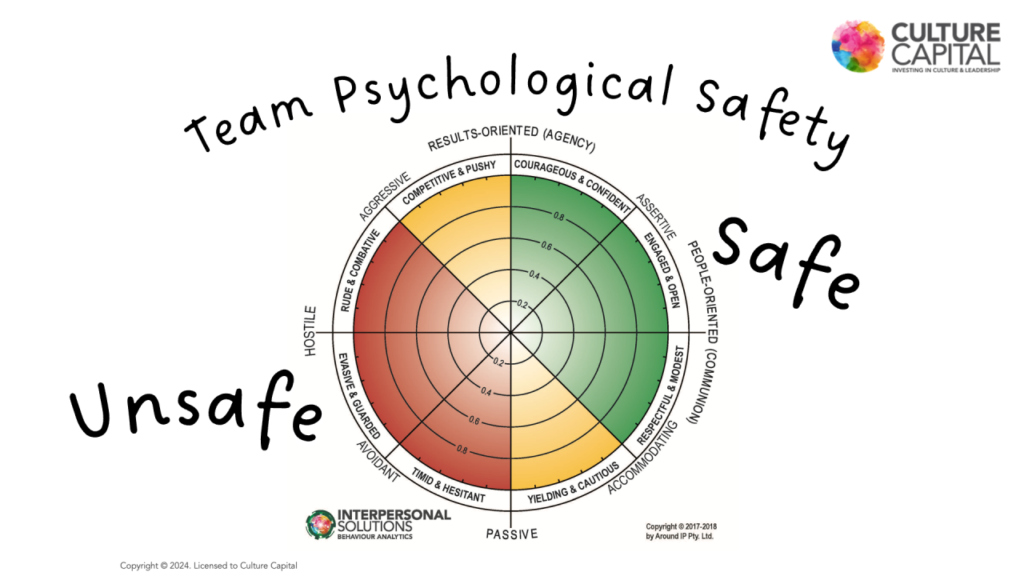
A positive communication climate encourages the exchange of ideas and fosters collaboration. In contrast, a negative climate may lead to withholding information, superficial discussion and avoidance of challenging conversations.
Psychological safety is influenced by leadership behaviour, team culture and organisational values. Leaders who respond calmly to mistakes, encourage questioning and show appreciation for honest feedback contribute to a healthier communication environment.
Organisational Noise: Barriers That Distort Meaning
Noise refers to anything that interferes with the accurate transmission or interpretation of a message. In organisations, noise can be:
- Environmental, such as loud surroundings or distractions
- Semantic, caused by technical jargon or ambiguous language
- Psychological, influenced by emotions, biases or assumptions
Noise can result in misunderstandings, errors and reduced productivity. For example, an employee under stress may misinterpret a neutral message as criticism. Likewise, poorly structured emails may be misunderstood if the tone is unclear.
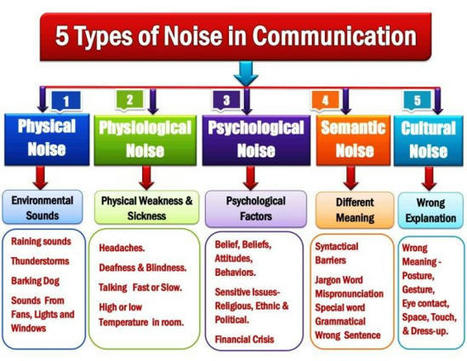
Effective communicators anticipate these barriers and adapt their communication style accordingly.
Cultural, Generational and Technological Influences
Modern organisations are increasingly diverse, and communication must adapt to differences in background, age, language, values and technological familiarity. Younger employees may prefer digital communication, while others may favour face-to-face interactions. Cultural expectations influence factors such as assertiveness, hierarchy and approaches to conflict.
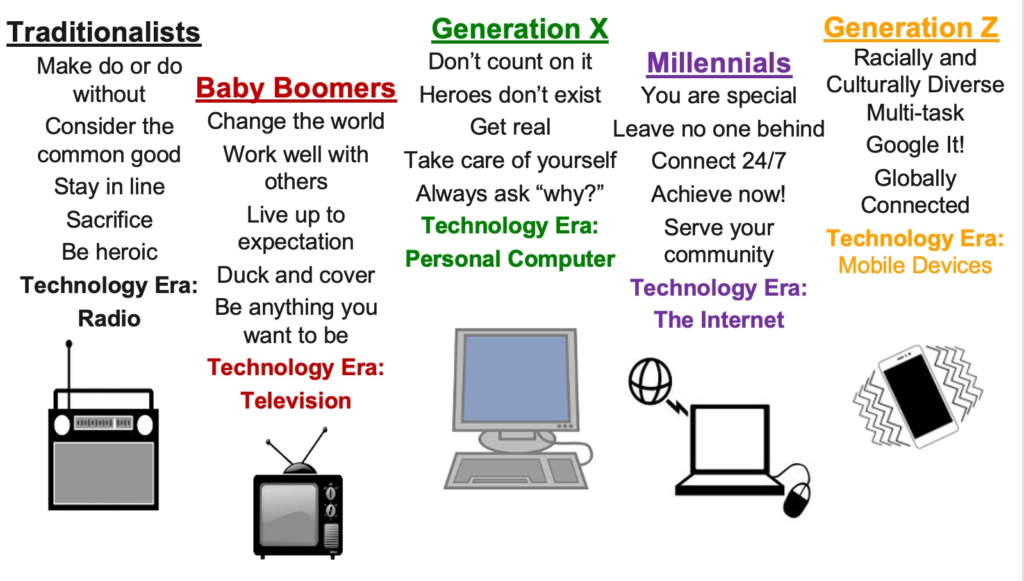
Technology adds both benefits and challenges. While digital tools allow rapid sharing of information, they may also lead to message overload or reduce opportunities for reading non-verbal cues. Effective communicators therefore select channels carefully and consider how technological choices influence interpretation.
Communication Ethics and Professional Conduct
Ethical communication involves honesty, respect, confidentiality and integrity. Employees must ensure that information is accurate, that sensitive content is handled responsibly and that communication does not intentionally deceive or manipulate others.
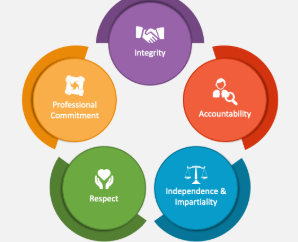
Professional ethics also include respecting organisational procedures, such as safeguarding data and using appropriate language. Ethical communication supports trust and prevents disputes, creating a culture where people feel valued and respected
Interested in our Business Courses?
Click College offers a wide range of fully online accredited business management courses and qualifications to suit different academic backgrounds and career goals. Our programmes range from short 40 credit Professional Diplomasthrough to the 360 credit International Graduate Diploma, which is academically comparable to a bachelor’s degree. All courses are open access and available to learners worldwide.
With courses available in business management, marketing, finance, HR, hospitality & tourism and project management, Click College provides flexible learning pathways to support professional development, career progression or further study.
All Courses
Explore our courses and find a qualification that fits your goals and your schedule.
First Year of Undergraduate (Level 4 – 120 Credits)
The Higher International Certificate courses are accredited and delivered at Level 4 of the UK FHEQ framework, making them academically comparable to the first year of undergraduate study.
Years One and Two of Undergraduate (Level 5 – 240 Credits)
The Higher International Diploma courses are accredited and available with 240 Credits at Level 5 of the UK FHEQ framework, making it academically comparable to a Foundation Degree (UK) or an Associate Degree (US).
Degree-Comparable International Graduate Diploma (Level 6 – 360 Credits)
The International Graduate Diploma is accredited and delivered at Level 6 of the UK FHEQ framework. With 360 credits, it is academically comparable to a UK bachelor’s degree in terms of level and credits.Case







Recent Posts
Staff Morale in Hospitality: How Employee Experience Shapes Guest Service
Staff Morale in Hospitality: How Employee Experience Shapes Guest Service A receptionist answers the same room-readiness question for the fourth time. Housekeeping is waiting for replacement linen, arrivals are building up and the duty manager is already handling another problem. Everyone is working hard, but guests are receiving different answers. Staff morale in hospitality can […]
Hospitality Staffing Shortages: Why Vacancies Become Service Problems
Hospitality Staffing Shortages: Why Vacancies Become Service Problems A hotel guest sees a queue at reception and a room that is not ready. Behind those visible problems may be two housekeeping vacancies, an unfilled reception post and a supervisor trying to cover both departments. Hospitality staffing shortages occur when the available workforce cannot meet the […]
Customer Variability in Hospitality: Managing Different Guest Needs
Customer Variability in Hospitality: Managing Different Guest Needs One hotel guest wants to collect a key and reach their room quickly. Another needs help understanding the check-in system. A third arrives with a request that requires coordination between reception and housekeeping. Customer variability in hospitality means differences in when guests arrive, what they need, how […]