Turning External Challenges into Organisational Advantage
Introduction
Organisational performance is strongly influenced by the external environment. While internal capabilities, such as staff skills, leadership and resource, are important, organisations ultimately operate within conditions they cannot control. External factors shape costs, demand, competitiveness, operational efficiency and long-term sustainability. It is essential not only to describe external influences, but to analyse how and why these factors affect specific performance indicators.
Performance can be understood through a combination of financial and non-financial measures. Financial indicators include profit margins, revenue growth, cash flow, return on investment and cost efficiency. Non-financial indicators include productivity, customer satisfaction, product quality, staff turnover, innovation output and market share. External factors influence these indicators directly (e.g., rising interest rates increasing borrowing costs) or indirectly (e.g., technological change creating competitive pressure). This section explores these links in depth.
Economic Factors and Performance
Economic conditions often have the most immediate and measurable effects on organisational performance.
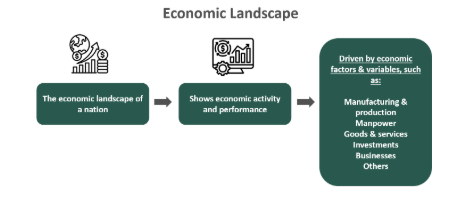
During periods of high inflation, organisations experience rising costs for materials, utilities and wages. If they cannot pass these increases on to customers through higher prices, their gross and net profit margins fall. Inflation also affects customer spending power, which can reduce demand for non-essential products, lowering sales revenue and potentially forcing organisations to adjust pricing strategies or promotional activity.
Fluctuations in interest rates also impact performance. When rates rise, organisations face higher borrowing costs, limiting investment in expansion, equipment or staff development. This can slow productivity growth and reduce competitiveness. Conversely, low interest rates may support innovation and capital investment, improving performance over time.
Exchange rates influence organisations that import or export goods. A weak domestic currency increases the cost of imported supplies, tightening margins, while a strong currency may reduce the competitiveness of exported goods. These movements can directly affect measures such as cost of sales, operating expenses and profit before tax.
Technological Change and Performance
Technological developments can have both positive and negative effects on organisational performance.
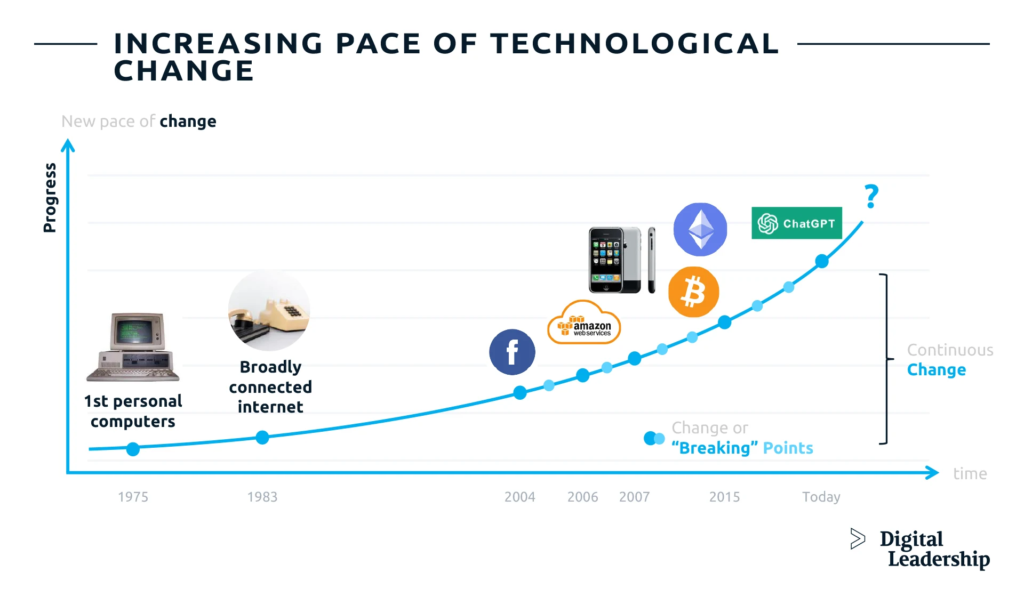
Automation, artificial intelligence, digital ordering systems, data analytics and cloud infrastructure can significantly improve productivity, reduce labour costs, and enhance service speed. This often leads to improved customer satisfaction and better financial performance, as organisations can produce more output with fewer resources.
However, failing to adopt new technologies can harm competitiveness. Competitors that invest in digital processes may be able to offer lower prices, faster delivery, or more personalised services. Organisations that fall behind may experience declining market share, reduced customer loyalty, and lower overall performance.
Adopting new technology requires investment, sometimes raising costs in the short term. Implementation problems, staff training requirements and cyber security risks can also influence performance.
Market Conditions and Competitive Forces
Competition levels strongly influence organisational behaviour and performance. In highly competitive industries, organisations may experience pressure to reduce prices, increase marketing costs, or invest heavily in innovation.
These responses impact profitability and cash flow but may be necessary to maintain or strengthen market share.
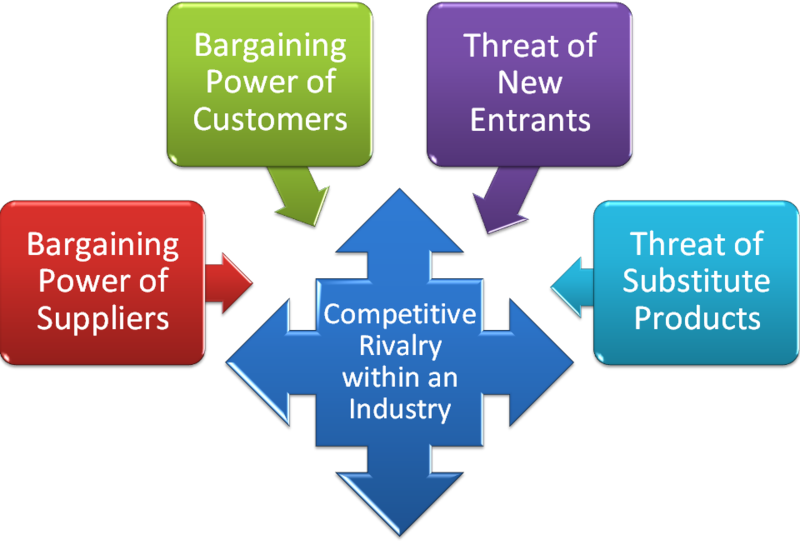
Using Porter’s Five Forces, organisations can analyse how rivalry, new entrants, substitutes, and buyer/supplier power affect performance. For example:
- High rivalry may reduce average industry profit margins.
- High buyer power may require organisations to offer discounts or promotions, affecting revenue.
- High supplier power may raise input costs, reducing profit margins.
Threat of substitutes may reduce demand, requiring product differentiation.
Social and Demographic Trends
Shifts in consumer attitudes, lifestyles and demographics also affect performance.
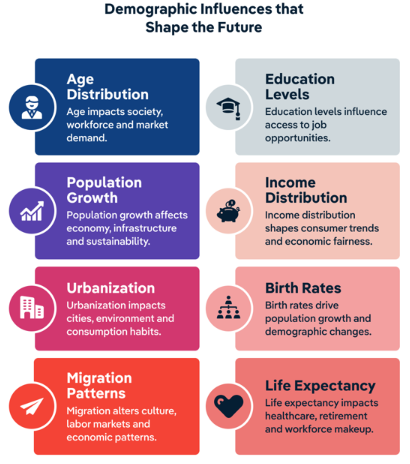
For example:
- Increased focus on health and sustainability can influence product demand, benefiting organisations that innovate accordingly.
- An ageing population may increase demand for healthcare and support services, improving performance in those industries while reducing demand in others.
- Expectations around remote or flexible working may influence recruitment and retention, affecting staff turnover rates, productivity and organisational culture.
Failure to respond to social change can lead to declining customer engagement, reduced satisfaction scores and loss of market relevance.
Legal and Regulatory Changes
Legal requirements affect organisations in areas such as employment, data protection, health and safety, and environmental compliance.
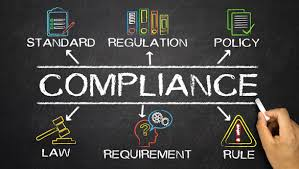
Compliance activities often require new processes, investment in training, or system changes. These can increase short-term costs and reduce profit margins. However, effective compliance may reduce long-term risks, improve productivity and strengthen reputation.
For instance, GDPR regulations prompted organisations to improve data handling procedures. While costly initially, these changes can enhance customer trust, reduce the risk of fines, and improve long-term performance.
Environmental and Sustainability Pressures
Climate change, resource scarcity, and increasing sustainability expectations can influence organisational performance significantly.
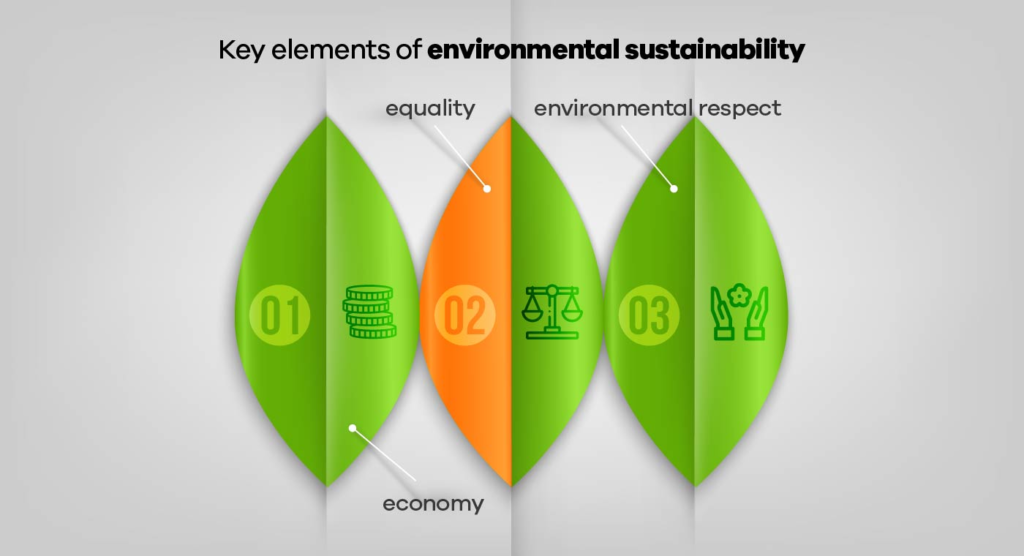
Extreme weather events may disrupt supply chains, increasing costs and decreasing reliability. Pressure to reduce emissions or adopt sustainable materials may require investment, influencing short-term financial performance.
However, organisations that embrace environmental responsibility may improve brand reputation, attract new customers, and strengthen long-term competitiveness.
Case Study
Economic and Technological Pressures on a National Retailer
A national retail chain experiences rising inflation and increased operating costs. Supplier prices are rising, utility bills have doubled, and customers are becoming more price-sensitive. These economic factors reduce profit margins, cash flow, and sales volume.
At the same time, competitors have invested in advanced online ordering systems and automated warehouses. The retailer’s slower adoption of technology results in slower dispatch times and higher labour costs. This reduces customer satisfaction and weakens its competitive position, causing a decline in market share.
To respond, the retailer introduces a new inventory system that automates stock management. This reduces labour requirements, improves accuracy, and cuts waste. Over time, this leads to increased productivity, improved customer satisfaction, and recovery of market share.
This example shows clear cause-and-effect links between external factors and performance indicators.
Interested in our Business Courses?
Click College offers a wide range of fully online accredited business management courses and qualifications to suit different academic backgrounds and career goals. Our programmes range from short 40 credit Professional Diplomasthrough to the 360 credit International Graduate Diploma, which is academically comparable to a bachelor’s degree. All courses are open access and available to learners worldwide.
With courses available in business management, marketing, finance, HR, hospitality & tourism and project management, Click College provides flexible learning pathways to support professional development, career progression or further study.
All Courses
Explore our courses and find a qualification that fits your goals and your schedule.
First Year of Undergraduate (Level 4 – 120 Credits)
The Higher International Certificate courses are accredited and delivered at Level 4 of the UK FHEQ framework, making them academically comparable to the first year of undergraduate study.
Years One and Two of Undergraduate (Level 5 – 240 Credits)
The Higher International Diploma courses are accredited and available with 240 Credits at Level 5 of the UK FHEQ framework, making it academically comparable to a Foundation Degree (UK) or an Associate Degree (US).
Degree-Comparable International Graduate Diploma (Level 6 – 360 Credits)
The International Graduate Diploma is accredited and delivered at Level 6 of the UK FHEQ framework. With 360 credits, it is academically comparable to a UK bachelor’s degree in terms of level and credit v







Recent Posts
Professional Diploma or Higher Qualification Pathway: Which Should You Choose?
Professional Diploma or Higher Qualification Pathway: Which Should You Choose? Choosing the right online qualification is not always simply a question of choosing the longest course or the highest level. For many learners, the better question is: what kind of study route fits my goals right now? Some learners want a focused qualification in one […]
Professional Diploma in Leadership and Management: Course Guide
Professional Diploma in Leadership and Management: Course Guide A Professional Diploma in Leadership and Management is designed for learners who want to develop advanced leadership, strategic thinking and organisational management skills without committing immediately to a full degree programme. Leadership and management are essential in almost every sector. Whether you work in business, education, hospitality, […]
Professional Diploma in Business Management: Who Is It For?
Professional Diploma in Business Management: Who Is It For? A Professional Diploma in Business Management is designed for learners who want to build practical business knowledge without committing immediately to a full degree or long higher education programme. It can be a useful option for people who want to understand how organisations work, how teams […]